Wildfire Smoke & Air Quality in Idaho: A Family Guide to Outdoor Activities
Wildfire smoke can change Idaho’s air quality quickly, especially during the summer and early fall. A clear morning can become hazy by afternoon, and conditions can vary significantly from one part of the state to another.
For families planning a day at the park, a hike, a camping trip, or time on the water, checking air quality before heading out can help you decide whether to continue as planned, shorten the outing, choose a different location, or stay indoors.
In this guide, we’ll explain how to read the Air Quality Index, where to check current Idaho conditions, and what families should consider before spending extended time outdoors during wildfire smoke.
I took these photos in Marsing during smoky conditions. The haze was noticeable even though the wildfire itself was not visible from the park.
This guide provides general outdoor-planning and air-quality information and is not a substitute for medical advice. Families with specific health concerns should follow guidance from their healthcare provider and current public-health recommendations.
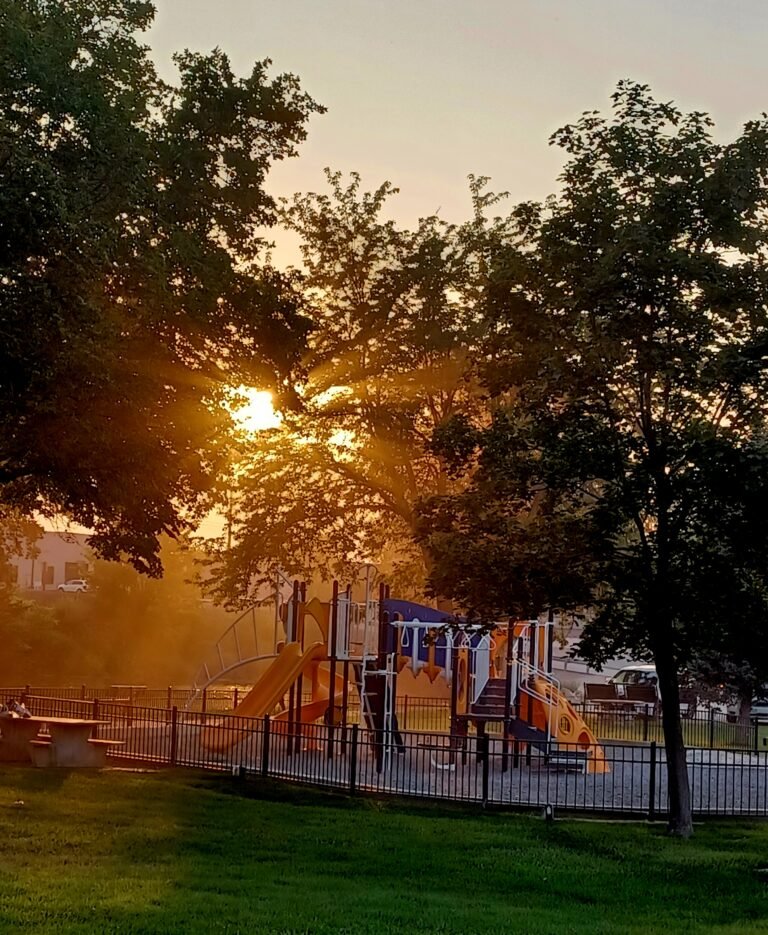
Wildfire smoke can leave a noticeable haze over Idaho landscapes, even when a fire is many miles away.
What Does the Air Quality Index (AQI) Mean?
The Air Quality Index, or AQI, is the EPA’s color-coded system for reporting outdoor air quality. The higher the AQI number, the greater the level of air pollution and the greater the potential health concern.
AQI 0–50 — Good: Air quality is considered satisfactory.
AQI 51–100 — Moderate: Air quality is generally acceptable, although some people who are unusually sensitive to air pollution may want to take precautions.
AQI 101–150 — Unhealthy for Sensitive Groups: Children, older adults, and people with certain heart or lung conditions may be more likely to experience effects.
AQI 151–200 — Unhealthy: Some members of the general public may experience effects, while sensitive groups face greater risk.
AQI 201–300 — Very Unhealthy: The risk of health effects increases for everyone.
AQI 301 and higher — Hazardous: This represents emergency-level air-quality conditions, with a greater likelihood that everyone may be affected.
One useful point for families is that air quality can change during the day, particularly during wildfire events. AirNow’s current AQI uses recent monitoring data to help show whether conditions are improving or worsening, so it is worth checking again before a long outdoor outing rather than relying only on what conditions looked like earlier in the day.
Where to Check Idaho Air Quality Before You Go
Before heading out, check current conditions from an official source. Wildfire smoke can shift quickly with wind, terrain, temperature, and fire activity, so conditions may be different even within the same part of Idaho.
Idaho Department of Environmental Quality (DEQ): Idaho DEQ provides current air-quality information, forecasts, and monitoring data for communities across the state.
AirNow: AirNow, operated by the U.S. Environmental Protection Agency and partner agencies, provides current AQI information and wildfire-smoke data across the country.
If we were driving somewhere for the day or heading out camping, I would check the air quality at home and again at the destination. Idaho conditions can be very different from one area to another.
Should My Family Still Go Outside?
An AQI number is useful, but families still have to decide what it means for their particular plans. A short walk around the neighborhood is very different from several hours of hiking, running, biking, or playing sports.
When smoke is present, consider:
- How long you will be outside. Longer exposure generally means more smoke inhalation.
- How strenuous the activity is. Running, hiking uphill, biking, and active play cause people to breathe more deeply and take in more air.
- Who is going. Children, older adults, and people with heart or lung conditions may be affected sooner.
- Whether conditions are getting better or worse. If smoke is increasing, changing plans may make more sense than hoping conditions improve.
- Whether you have another option. Sometimes moving an activity indoors, shortening the outing, choosing a different location, or rescheduling is the simplest solution.
- Whether an active wildfire could affect the trip. Check for road closures, evacuation notices, fire restrictions, and recreation-area closures if you are heading near an active fire.
It may be time to change or cancel outdoor plans when the AQI reaches an unhealthy level for members of your group, smoke is getting noticeably worse, visibility is reduced, the activity requires several hours of strenuous exertion, or someone begins experiencing symptoms such as persistent coughing, difficulty breathing, chest discomfort, dizziness, or unusual fatigue.
If conditions are questionable, adjusting the plan before leaving home is usually easier than trying to do it after you have already driven to the destination.
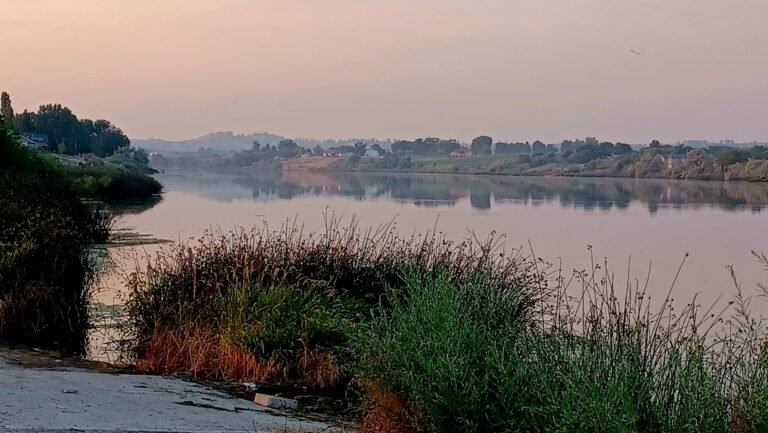
Outdoor Activities During Wildfire Smoke
Smoke does not affect every outdoor activity in the same way. The amount of time spent outside and how physically active you are can make a significant difference.
Parks and playgrounds: A short visit may be easier to adjust than an all-day outing. On smoky days, consider shortening playtime, choosing less strenuous activities, or postponing the visit if conditions are poor.
Hiking and biking: These activities usually involve heavier breathing and longer periods outdoors. Check the AQI at the trail location before leaving and consider a shorter or easier route when smoke is present.
Camping: Because campers may spend most of the day and night outdoors, air quality can have a greater impact on the trip. Check conditions and forecasts for the campground and surrounding area before leaving, especially when active wildfires are nearby.
Fishing and boating: Being on the water does not necessarily mean escaping wildfire smoke. Check conditions at the lake, reservoir, river, or fishing area rather than assuming conditions will be the same as they are at home.
Outdoor sports and active play: Running and vigorous activity increase breathing rates. When air quality deteriorates, reducing the intensity or duration of the activity or moving it indoors may be the better option.
Smoke in the air does not always mean you have to cancel the day, but it does mean it is worth checking conditions before you go.
If Smoke Moves In While You’re Already Outside
Wildfire smoke can move quickly, especially when winds change. Conditions that looked acceptable when you left home may be noticeably worse a few hours later.
If smoke begins increasing during your outing:
- Check the AQI again. Do not rely only on the reading you saw before leaving home.
- Reduce strenuous activity. Slow down, take more breaks, and avoid unnecessary exertion.
- Shorten the outing if conditions continue to worsen. You do not have to finish the hike, stay at the park for the planned amount of time, or complete the entire day’s itinerary.
- Move indoors or to cleaner air when possible. A vehicle or an indoor location can provide a temporary break from smoky conditions.
- Pay attention to how everyone feels. Persistent coughing, trouble breathing, chest discomfort, dizziness, or unusual fatigue are reasons to stop the activity and get to cleaner air.
It is also important to remember that visibility is not a reliable measure of air quality. A hazy sky can be an obvious warning, but harmful fine-particle pollution can also be present when the smoke does not look particularly dramatic.
When conditions are questionable, checking current monitoring data is more reliable than judging the sky alone.
Ways to Reduce Smoke Exposure
When wildfire smoke is affecting your area, a few simple changes can reduce how much smoke your family breathes.
- Check air quality before going outside. Smoke levels can change substantially throughout the day, so check conditions close to the time you plan to leave.
- Choose easier activities. Walking instead of running, taking a shorter hike, or reducing strenuous play can lower the amount of smoke inhaled.
- Spend less time outside when conditions are poor. If an activity can be postponed until the air improves, that may be the better choice.
- Keep vehicle windows closed in smoky areas. When possible, use the vehicle’s air-conditioning system on recirculate rather than drawing smoky outside air into the vehicle.
- Create a cleaner-air space indoors. Keeping windows and doors closed during heavy smoke and using appropriate air filtration can help reduce indoor smoke exposure.
- Do not depend on cloth masks or bandanas for wildfire smoke. For people who must spend time outdoors in smoky conditions, a properly fitted NIOSH-approved N95 respirator can reduce exposure to fine smoke particles. Children age 2 and older may be able to wear a respirator or mask if it fits properly and they can wear it correctly, but NIOSH-approved respirators generally are not available in suitable sizes for very young children. Reducing children’s exposure to smoke remains the priority.
Wildfire smoke and summer heat can also occur at the same time. Avoid creating an unsafe indoor environment simply to keep smoke outside. If your home becomes excessively hot, seek a cooler indoor location with cleaner air.
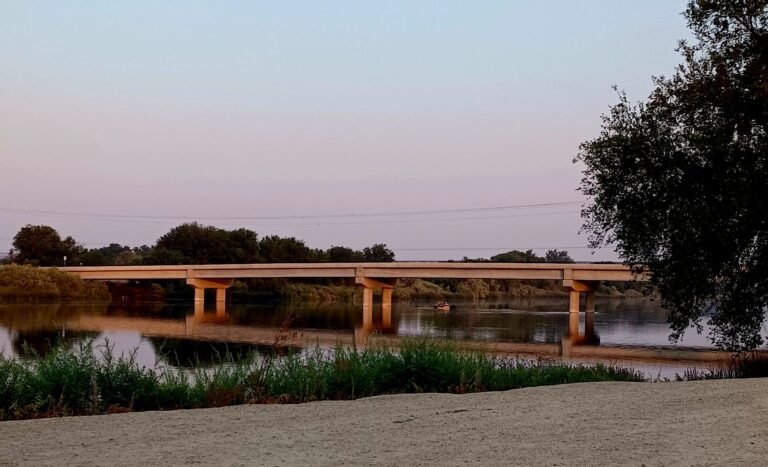
This hazy sky is a reminder to check current air quality before heading out.
Reliable Idaho Air Quality & Wildfire Resources
Because smoke conditions can change quickly, use current information from official sources before heading out.
Idaho Department of Environmental Quality (DEQ): Provides Idaho air-quality monitoring, forecasts, and regional conditions.
AirNow: Provides current AQI information, wildfire-smoke data, and nationwide air-quality guidance.
National Weather Service: Useful for smoke forecasts, wind changes, heat, thunderstorms, and other weather conditions that may affect outdoor plans.
U.S. Forest Service and Bureau of Land Management: Check these agencies for current fire restrictions, closures, and wildfire-related recreation impacts on public lands.
Local sheriff, county emergency management, and fire agencies: These are important sources when an active wildfire is affecting roads, communities, evacuation areas, or recreation access.
For Idaho Family Fun, we recommend checking the official source rather than relying on an older screenshot, social-media post, or yesterday’s conditions.
Air quality can change from hour to hour, and wildfire closures or restrictions can change just as quickly.
A Simple Rule for Smoky Idaho Days
Wildfire smoke is part of summer and early fall in many parts of Idaho, but it does not have to make every outdoor day an automatic cancellation.
Before heading out, check the current AQI, look at conditions for your destination, consider how strenuous the activity will be, and think about the needs of everyone in your group.
If conditions are questionable, choose the easier option: shorten the outing, move it indoors, change locations, or save the activity for another day.
A little flexibility can make it easier to enjoy Idaho safely without ignoring changing air-quality conditions.
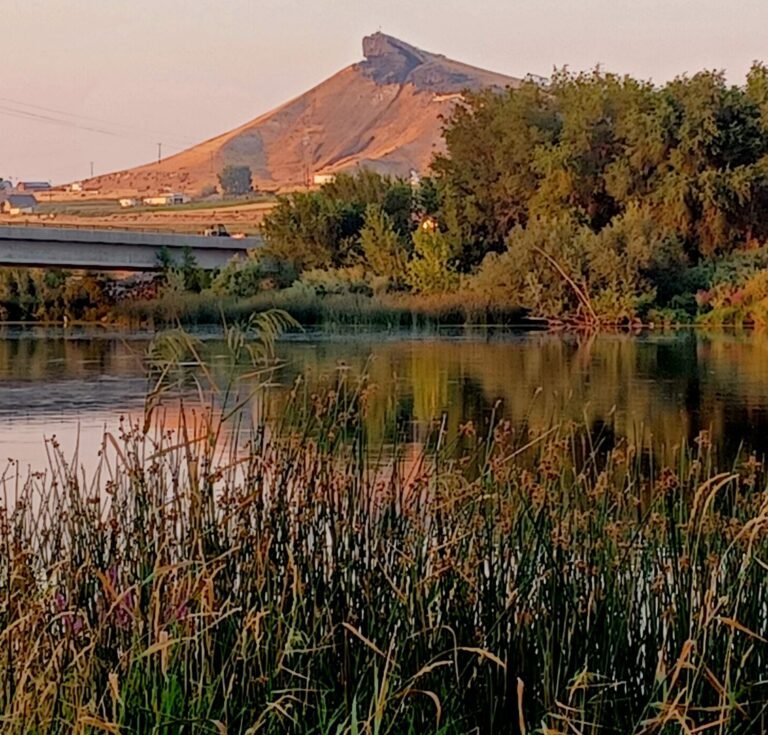
If conditions are good and your family is ready to get outside, use Idaho Family Fun to find places to explore across the state.
Browse:
When wildfire smoke is affecting one part of Idaho, another area may have better conditions. Checking both the destination and the current AQI can help you make a better choice before you leave.
Written by Kristine Smith