Labor Day Weekend in Idaho: Bringing the 100 Deadliest Days to a Safe End
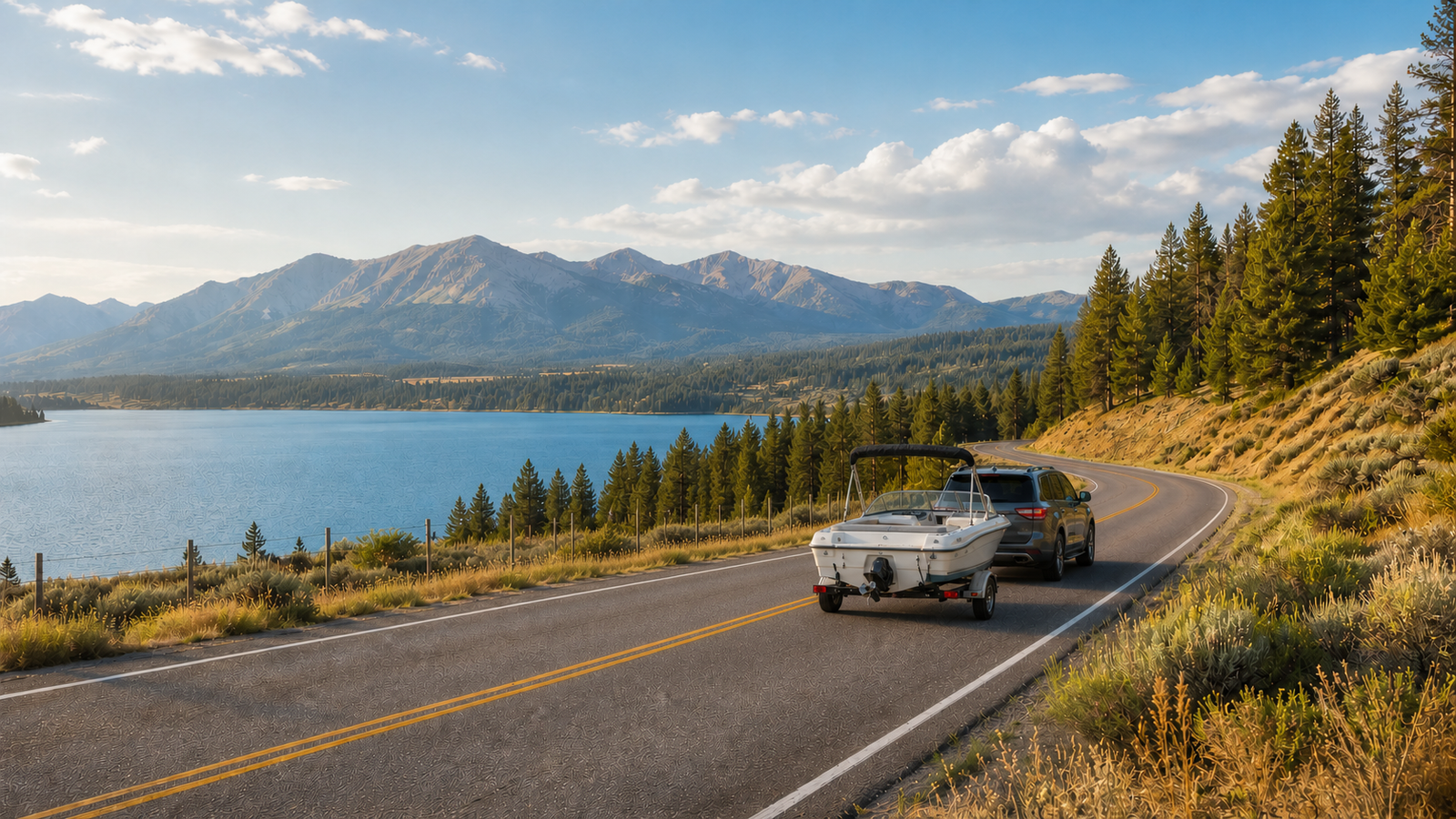
Labor Day weekend gives Idaho families one more opportunity to enjoy the water, explore the mountains and make memories before summer begins giving way to fall.
It is also a busy travel weekend, and the conclusion of what Idaho transportation officials have traditionally called the 100 Deadliest Days.
The first two articles in this Labor Day series focused on places Idaho families can explore. This final article is about the journey home, because a family adventure is not truly complete until everyone returns safely.
Before creating Idaho Family Fun Directory, I worked as an emergency communications officer. That experience gave me a firsthand understanding of how quickly an ordinary drive can become an emergency, and it is one reason family travel safety matters deeply to me.
These reminders are not intended to frighten families or take the joy out of an adventure. They are offered because a wonderful family outing deserves a safe ending.
What Are the 100 Deadliest Days?
The period between Memorial Day and Labor Day traditionally sees Idaho’s highest volume of crashes causing fatalities or serious injuries. More families are traveling, teenagers are out of school, vacations are underway and holiday celebrations may include alcohol.
In 2026, the Idaho Transportation Department began encouraging people to think of this period as the 100 Safest Days of Summer, a reminder that safer outcomes are possible when drivers buckle up, slow down and remain focused.
As of August 20, ITD reported that 73 people had died on Idaho roads during the 2026 period. Read the current Idaho Office of Highway Safety information.
The choices families make before and during the drive can help change that story.
Check Idaho 511 Before Leaving
Road conditions can change quickly in Idaho. Construction, crashes, wildfires, special events and changing weather can all affect a route.
Before leaving home, or beginning the return trip, check Idaho 511. The service provides information about road conditions, closures, incidents, construction, traffic speeds, weather and roadside cameras. Families can also save frequently traveled routes and arrange traffic notifications.
Check the route before the vehicle starts moving. If conditions need to be reviewed during the trip, let a passenger handle the phone or pull over somewhere safe.
Make Sure Everyone Is Properly Restrained
Every person in the vehicle should be buckled for every trip, no matter how short the drive may seem. Seat belts are one of the simplest and most effective protections available in a crash.
Children need a car seat, booster seat or seat belt that fits their age, size and developmental needs. Before leaving, confirm that each restraint is installed correctly and that the harness or belt fits snugly. Review Idaho’s child passenger safety guidance.
Loose coolers, toys, camping supplies and other gear can become dangerous during a sudden stop. Secure heavy and sharp items before the trip begins.
Choose a Sober Driver Before the Celebration Begins
If alcohol or another impairing substance may be part of the celebration, decide who will drive before the first drink. A sober driver is someone who has not consumed alcohol, not simply the person who feels least impaired.
Some medications can also affect alertness, reaction time and judgment. Read labels, follow medical guidance and arrange another driver when needed.
Do not wait until everyone is tired and ready to leave to make the plan. Arrange a sober driver, a safe place to stay or another ride before the gathering begins.
Treat Fatigue and Distraction as Real Driving Risks
A long day on the water, in the sun or outdoors can leave a driver more tired than expected. Heavy eyelids, repeated yawning, difficulty focusing, drifting within the lane and missing familiar turns are warnings that it is time to stop.
Coffee, cold air and loud music do not replace sleep. If the driver is struggling to stay alert, switch drivers or stop in a safe place to rest.
Set navigation, music and climate controls before moving. Ask a passenger to manage messages, directions and children’s needs whenever possible.
The driver’s job is to drive. A few minutes saved by multitasking are not worth the risk to the family or to others sharing the road.
Take Extra Care When Towing Boats, Campers or Recreational Equipment
Families towing boats, campers or recreational equipment have additional responsibilities before leaving.
Check the tow vehicle and trailer tires, hitch connection, safety chains, electrical connections, brake lights and turn signals. Make sure equipment and other cargo cannot shift, blow out or fall from the trailer.
Idaho officials advise securing loads on the top, sides and back and checking everything again before entering the roadway. Review ITD’s secure load recommendations.
During Idaho’s dry season, trailer chains require special attention. Chains dragging on pavement can create sparks and ignite roadside vegetation. Cross and secure them so they cannot touch the roadway.
Where the vehicle stops matters too. If you need to pull over and have a choice of locations, use a paved turnout, gravel shoulder or area of bare ground. Do not park or idle over dry grass. A vehicle’s exhaust system and other hot undercarriage components can ignite vegetation beneath it.
The Idaho Transportation Department and Idaho Department of Lands have documented roadside fires started by dragging chains, damaged tires and hot exhaust systems. Read their roadside wildfire prevention guidance.
When towing, leave additional following space, avoid sudden maneuvers and drive at a speed appropriate for the load and conditions.
Before Your Family Heads Home
Take one final walk around the vehicle and ask:
• Is the driver sober, rested and alert?
• Is every adult wearing a seat belt?
• Is every child secured in the correct car seat, booster or seat belt?
• Has someone checked Idaho 511 for road conditions, closures and delays?
• Are the vehicle and trailer tires in good condition?
• Are the hitch, safety chains, lights and electrical connections secure?
• Are coolers, camping supplies, watercraft and other equipment properly tied down?
• Are phones, navigation and music ready before the vehicle starts moving?
• Have we allowed enough time to avoid rushing?
• If we need to stop, can we choose pavement, gravel or bare ground instead of dry vegetation?
Bring Everyone Home Safely
Labor Day weekend should end with tired children, sandy towels, photographs to share and stories the family will remember.
Whether you choose one of our popular Idaho lakes for Labor Day weekend or explore one of these Idaho lakes worth discovering, remember that the adventure is not truly finished until everyone is safely home.
Enjoy the water. Enjoy Idaho. Make wonderful memories, and give the trip the safe ending your family deserves.
Written by Kristine Smith