By Kristine Smith
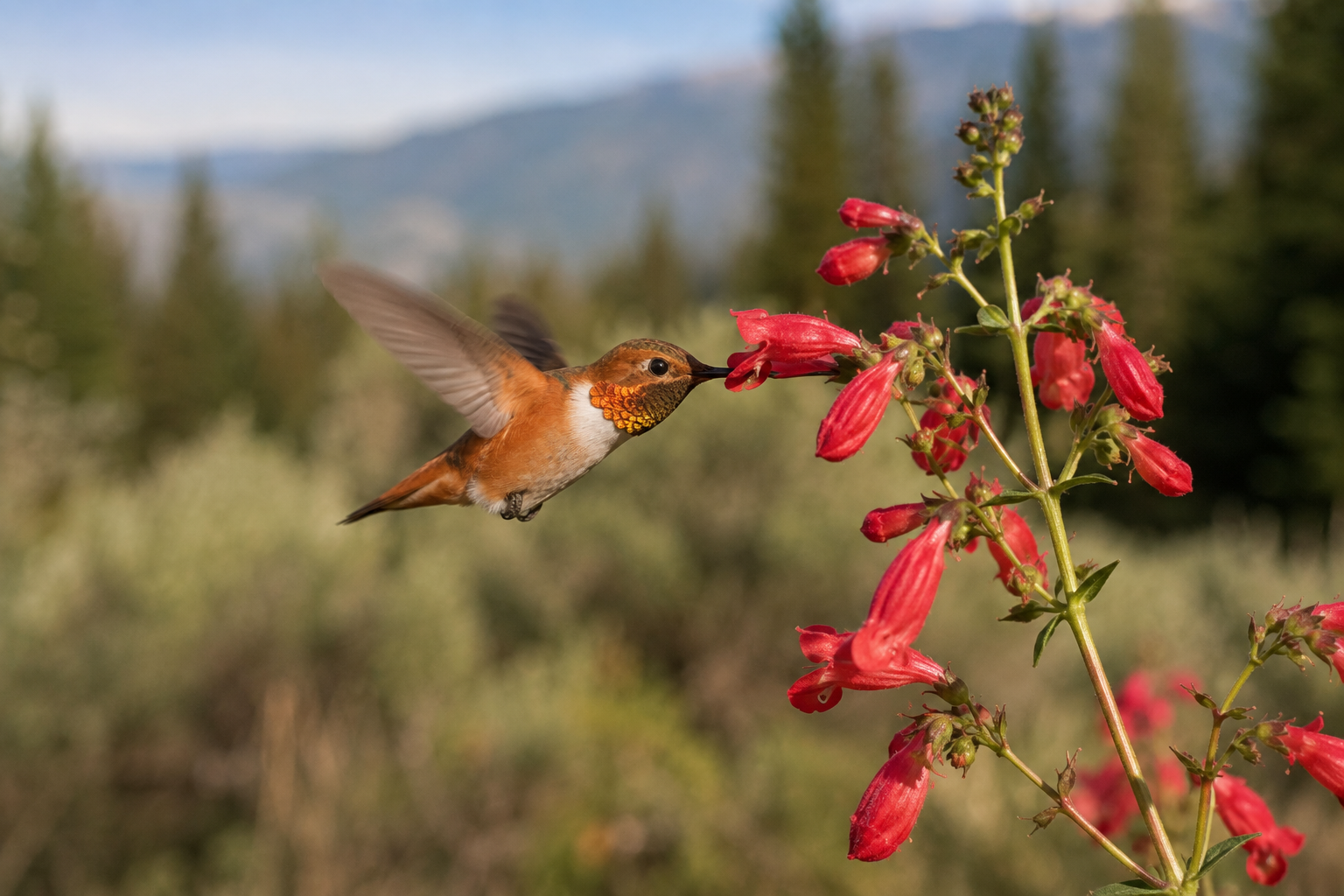
Grab a lawn chair, find a shady spot, and keep your eyes on the flowers. Idaho’s tiniest summer travelers may be passing through.
The first hummingbird can appear so quickly that everyone starts talking at once.
“Did you see it?”
“Where did it go?”
“Was that the same one?”
A flash of green, copper, or orange zips across the yard. There is a quick chirp near the feeder. Then the bird stops in midair, hovering as if someone pressed the pause button.
That is part of the fun of hummingbird migration. You never know exactly when the next visitor will arrive.
Each spring, hummingbirds return to Idaho from warmer wintering areas. During late summer, other birds move south through the state, stopping at gardens, feeders, parks, and mountain wildflowers to refuel. Some stay only briefly, which means the hummingbird outside your window today may be miles away tomorrow.
Watching does not require a long drive or expensive equipment. Start with a clean feeder, a comfortable chair, and fifteen quiet minutes. Let the children keep count, listen for the hum of wings, and see who can spot the first bird.
Your backyard may be busier than it looks.
When Does Idaho’s Hummingbird Show Begin?
There is no single opening day for hummingbird season in Idaho. The birds do not check our calendars, and they rarely arrive everywhere at once.
Elevation, weather, blooming flowers, and the part of Idaho where you live all affect the timing. A warm yard in the Treasure Valley may welcome a hummingbird before a mountain community has finished shoveling spring snow.
Idaho Fish and Game has noted that Treasure Valley residents often begin seeing hummingbirds around May 1. Putting a feeder outside in mid-April gives early travelers a chance to find it. Cooler valleys and higher elevations may see activity later.
Mid-April through May
The first spring arrivals begin appearing. This is the time to clean the feeder, mix fresh nectar, and start watching.
Late May through June
Some hummingbirds settle into suitable Idaho habitat for the breeding season. Feeder activity may become quieter while females are nesting, but quiet does not mean the season is over.
July and August
Young hummingbirds begin appearing, and southbound movement grows. Late summer can bring fast, territorial Rufous hummingbirds through the Rocky Mountains. Feeder disagreements may become part of the entertainment.
September
Summer regulars may disappear, but late travelers can still pass through. Keep watching. The quiet feeder may suddenly have a new visitor.
Late fall and winter
Most hummingbirds have moved south. An occasional Anna’s hummingbird may remain in Idaho, although winter sightings are unusual enough to photograph and document carefully.
Treat these months as a general guide. Spring cold, drought, wildfire smoke, storms, and the timing of wildflowers can all change what families see from one year to the next.
Why Do Hummingbirds Travel Through Idaho?
Idaho sits along an important route between northern breeding areas and warmer winter homes farther south.
The Rufous hummingbird takes a particularly interesting trip. Idaho Fish and Game describes its migration as an oval. Many Rufous hummingbirds travel north along the Pacific Coast in spring. When they head south in late summer, they follow the Rocky Mountains and pass through Idaho.
Imagine making that journey when you weigh less than a nickel.
Calliope hummingbirds are just as impressive. These tiny birds travel nearly 5,400 miles each year between southern Mexico and nesting areas in the northern Rocky Mountains. The Calliope is also the smallest bird in North America, measuring only a little more than three inches long.
That tiny bird hovering beside an Idaho flower has already experienced a much bigger adventure than most of us will take all year.
Meet Idaho’s Tiny Travelers
You do not need to identify every bird to enjoy watching. In fact, females and young hummingbirds can be difficult to tell apart, even for experienced observers.
Still, knowing a few personalities makes the backyard show more fun.
Black-chinned Hummingbird: The Familiar Neighbor
Black-chinned hummingbirds are Idaho’s most common hummingbirds at lower elevations. The male’s throat can look completely black until sunlight reveals a narrow violet band.
At lower elevations, there is a good chance your regular visitor is a Black-chinned hummingbird. Look for the male’s dark throat and violet band when the light catches it, but remember that females and young birds can be much harder to identify.
Calliope Hummingbird: The Tiny Champion
The Calliope is the smallest bird in North America, but it completes one of the continent’s longest hummingbird migrations.
Adult males have narrow magenta throat feathers that can look like bright streaks. Calliopes are often associated with mountain meadows, open forests, and places where wildflowers and insects are plentiful.
Rufous Hummingbird: The Feeder Boss
Rufous hummingbirds are small, orange, fast, and famously confident.
One determined Rufous may attempt to claim an entire feeder and chase away every hummingbird that comes near it. The commotion can make late-summer watching especially exciting.
If one bird becomes too controlling, try placing a second feeder where the first bird cannot see it. The goal is to give quieter visitors another place to eat.
Broad-tailed Hummingbird: The One You May Hear First
Broad-tailed hummingbirds are found mainly across southern Idaho and can nest at high elevations.
Males make a metallic trilling sound with their wingtips during flight. Listen closely in mountain meadows and open forest areas. The sound may help you find the bird before your eyes do.
Anna’s Hummingbird: The Winter Surprise
Anna’s hummingbirds are occasional Idaho visitors and the species most likely to appear during winter. Adult males can show brilliant rose coloring on the throat and crown.
If your family spots a hummingbird during cold weather, write down the date, location, temperature, and behavior. Take a clear photograph if you can do so without approaching or disturbing the bird.
Where Can Families Watch Hummingbirds in Idaho?
The easiest place to begin is often home. A feeder near a window can turn breakfast into bird-watching time, while a few nectar-rich flowers can bring visitors close to a porch or patio.
Hummingbirds also use places where flowers, insects, water, and shelter come together.
- Backyard gardens and patios
- Riverside parks with shrubs and flowering plants
- Botanical and demonstration gardens
- Forest edges and mountain meadows
- Idaho Birding Trail locations
- Quiet areas near native wildflowers
Idaho hummingbird researchers recommend native flowers such as columbine, golden currant, and penstemon. Local native plant nurseries and University of Idaho Extension offices can help families choose plants suited to their elevation and part of the state.
You can also browse Idaho Family Fun’s parks, trails, and natural attractions and scenic stops to find a pleasant family outing. Hummingbirds are wild, so no destination can promise a sighting. Choose a place the family will enjoy even if the birds decide not to appear.
Try the Idaho Hummingbird Challenge
Give each family member a notebook, or share one observation sheet. Choose a comfortable watching spot and set a timer for fifteen minutes.
Can your family:
- Hear a hummingbird before anyone sees it?
- Notice three different colors on one bird?
- Count feeder visits without assuming every visit is a different hummingbird?
- Spot a bird resting instead of flying?
- Sketch the shape of a tail or bill?
- Find a flower that hummingbirds visit more than once?
- Mark the first and last sighting of the season on an Idaho map?
Younger children can draw the birds and flowers. Older children can record the time, weather, temperature, and bird behavior. After several weeks, compare the notes. Did the busiest time of day change? Did a new color appear at the feeder? Did one tiny bird try to chase everyone else away?
The goal is not perfect identification. The goal is to notice more than you did yesterday.
Make a Safe Hummingbird Snack Bar
A hummingbird feeder is not complicated, but it does come with a responsibility. Sugar water can spoil quickly, especially during a hot Idaho summer.
Mix one part plain white table sugar with four parts water.
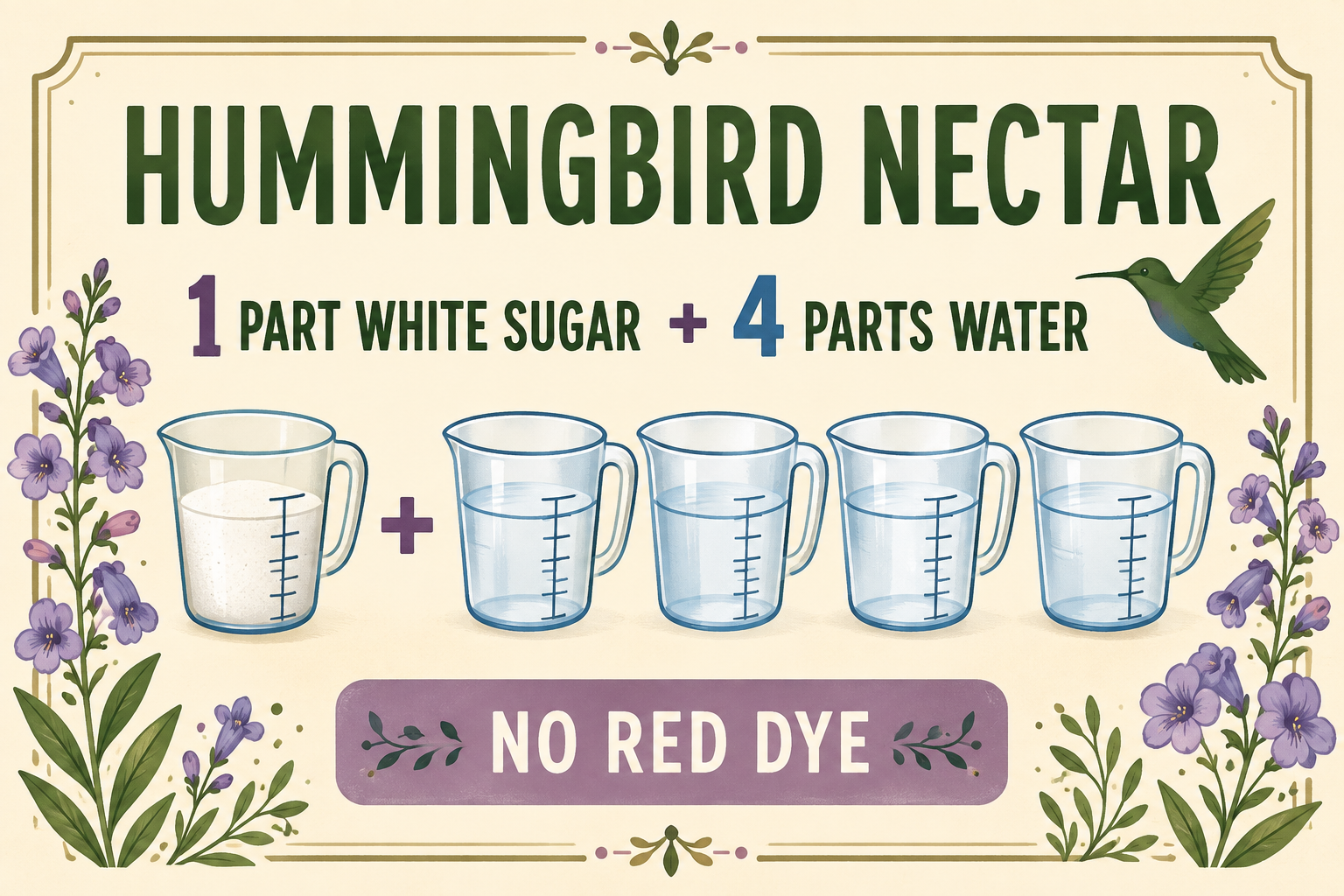
For example, use one cup of sugar and four cups of water. Stir until the sugar dissolves, then let the mixture cool before filling the feeder.
Leave these ingredients out:
- Red dye
- Honey
- Brown sugar
- Artificial sweeteners
- Juice or flavoring
Natural flower nectar is clear. A feeder with red plastic parts will attract attention without adding color to the food.
The Not-So-Fun Part That Keeps the Birds Safe
No one gets excited about washing a feeder, but clean feeders are much more inviting than a container filled with cloudy, fermented sugar water.
The Cornell Lab advises never leaving hummingbird sugar water out for more than two or three days and changing it daily in very hot weather. Idaho’s Intermountain Bird Observatory recommends changing nectar at least every other day when temperatures rise above 80 degrees.
- Empty and thoroughly clean the feeder before every refill.
- Use plain water or a weak vinegar solution so cleaning products do not leave harmful residue.
- Scrub the feeding ports and every small crevice where mold can hide.
- Rinse thoroughly and allow the feeder to dry before refilling.
- Change nectar sooner if it becomes cloudy or shows any sign of mold.
- Remove the feeder if visiting birds appear sick.
Place the feeder in shade when possible. To reduce window collisions, keep it within three feet of a window, or make the outside of the glass visible to birds with closely spaced patterns or an exterior screen. Keep cats indoors and avoid using pesticides around hummingbird habitat.
If the family cannot keep up with cleaning, grow hummingbird-friendly flowers instead. Flowers never need to be taken apart with a bottle brush.
Will a Feeder Stop Hummingbirds From Migrating?
No. A clean feeder will not convince a healthy hummingbird to cancel its migration plans.
Migration is guided by instinct, changing daylight, hormones, weather, and food availability. A feeder can provide extra fuel, but it does not erase the urge to travel.
Cornell recommends keeping feeders available for several weeks after the last hummingbird leaves, just in case a straggler needs extra energy for its journey south. Do this only as long as the family can keep the nectar fresh and clean. If a hummingbird remains during freezing weather, do not allow nectar to freeze in a feeder the bird is using. Contact a local birding organization or wildlife professional for guidance about an unusual winter visitor.
Your Next Tiny Visitor May Already Be on the Way
Hummingbird migration is easy to miss when no one is looking for it.
That is what makes it such a good family adventure. The supplies are simple. The trip may be no farther than the backyard. Everyone has an equal chance of making the first discovery.
Put out a clean feeder. Plant a few flowers. Take a notebook to the porch or spend a quiet morning in an Idaho park.
Then listen.
You might hear the next visitor before you see it.
Sources and Further Reading
- Idaho Fish and Game: Learn All About Hummingbirds
- Idaho Fish and Game: Idaho’s Hummingbirds, Wildlife Express
- Intermountain Bird Observatory: Hummingbird Research
- U.S. Fish and Wildlife Service: How Can You Help a Hummingbird?
- U.S. Fish and Wildlife Service: Bird-Friendly Home Toolkit
- Cornell Lab of Ornithology: Feeding Hummingbirds
- Cornell Lab of Ornithology: Should I Stop Feeding Birds in Fall?